 Theology
People are always shouting they want to create a better future. It’s not true. The future is an apathetic void of no interest to anyone. The past is full of life, eager to irritate us, provoke and insult us, tempt us to destroy or repaint it. The only reason people want to be masters of…
 Theology
This year marks the hundredth anniversary of J. Gresham Machen’s Christianity and Liberalism. It is one of the bestselling religious books ever published in America. Even now it sells more copies annually, is read more widely, and is cited more often than any book if not all the books by all the professors of any…
 Discipleship
The work of parish ministry is one of the most daring and demanding journeys that one can take. It is not without profound meaning, but it also tests an individual in every dimension of experience. It provides great opportunity for friendship, but it also requires maturity and poise in the face of life’s most devastating…
 Theology
Why do pastors need to be trained as scholars, and how can their theological studies be organized so that their training as scholars will support their pastoral ministry? 1. Why Pastors Need to be Trained as Scholars One of God’s good gifts to the Church is that some of God’s people are called to be…
 Confessing the Faith
The writing of a new confession of faith is not undertaken lightly, for “any proposed change to the Book of Confessions should enhance the church’s understanding and declaration of who and what it is, what it believes, and what it resolves to do (Book of Order, F-2.01).”[i] As a teaching elder who exercises his ministry…
 Suffering
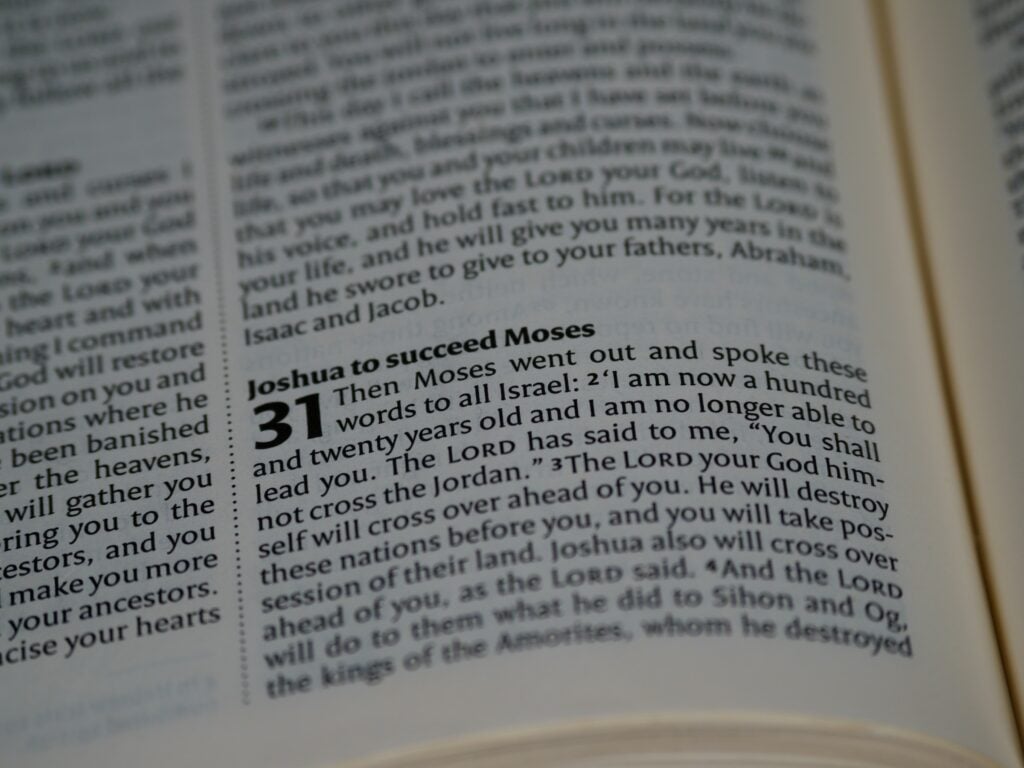
Deuteronomy brings the Pentateuch and Moses’ life to their respective conclusions. These two important things are interrelated. Deuteronomy’s conclusion (34:1–12), in which Moses dies, is expected and yet odd. It is expected in that his upcoming death has been mentioned several times in the book. Several details in the conclusion mark it as odd, including…
 Theology
Heinrich Bullinger (1504–1575) is widely known as the author of the Second Helvetic Confession (1566). But his series of fifty sermons entitled Decades (1549–1551) was as well-known and has been often compared to Calvin's Institutes as an early, comprehensive, and similarly influential statement of Reformed theology. Timothy Slemmons offers to us here for the first…
 Theology
John H. Leith was one of the most influential teachers of Reformed theology in the twentieth century. A new book containing selections of his writings was published a few weeks ago under the title, An Introduction to Reformed Theology. It contains the following essay, which is a bold attempt to do what few theologians have…
 Discipleship
On October 22, 1746, Acting Governor John Hamilton of New Jersey granted a charter for the College of New Jersey (now Princeton University) to seven petitioners: four Presbyterian clergy: Jonathan Dickinson, Aaron Burr, Ebenezer Pemberton, and John Pierson, and three laymen, William Smith, Peter Van Brugh Livingston, and William Peartree Smith.[1] The following spring, those…
 Theology
A good number of you might never have heard of John Owen, but for those of you who have, he might well be something of a polarizing figure. If he is known for anything today it is usually for a book called The Death of Death in the Death of Christ. It has been called…
 Discipleship
Introduction: A Working Hypothesis “That’s the spirit!” is a common rather than a Christian idiom, something you might say in order to encourage someone to persevere in some endeavor. Generally speaking, people are much more comfortable using such expressions than explaining what spirit actually means, or in specifying that to which it actually refers. Pastors…
 Theology
The Reformation was a reform of spirituality as much as it was a reform of theology. For millions of Christians at the end of the Middle Ages the old spirituality had broken down. For centuries spirituality had been cloistered behind monastery walls. To be serious about living the Christian life had meant to separate oneself…
