 Confessing the Faith
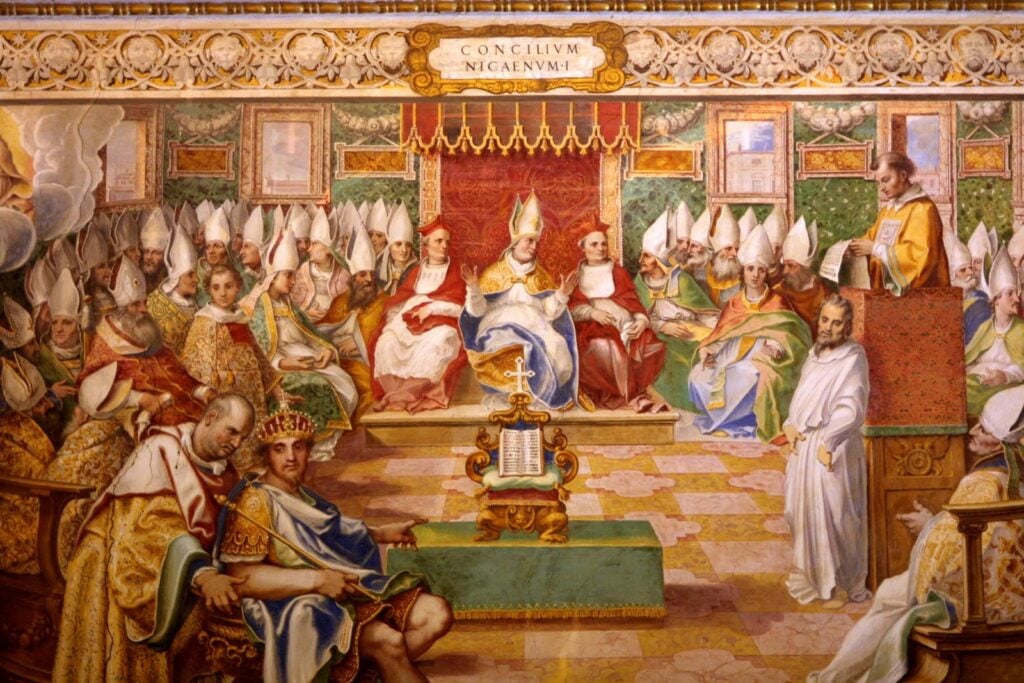
Jerry Andrews explores the Council of Nicaea, highlighting the "apostolic" witness of bishops who bore scars of persecution. This historical reflection reveals how their enduring faith and doctrinal clarity continue to shape the Church today.
 Confessing the Faith
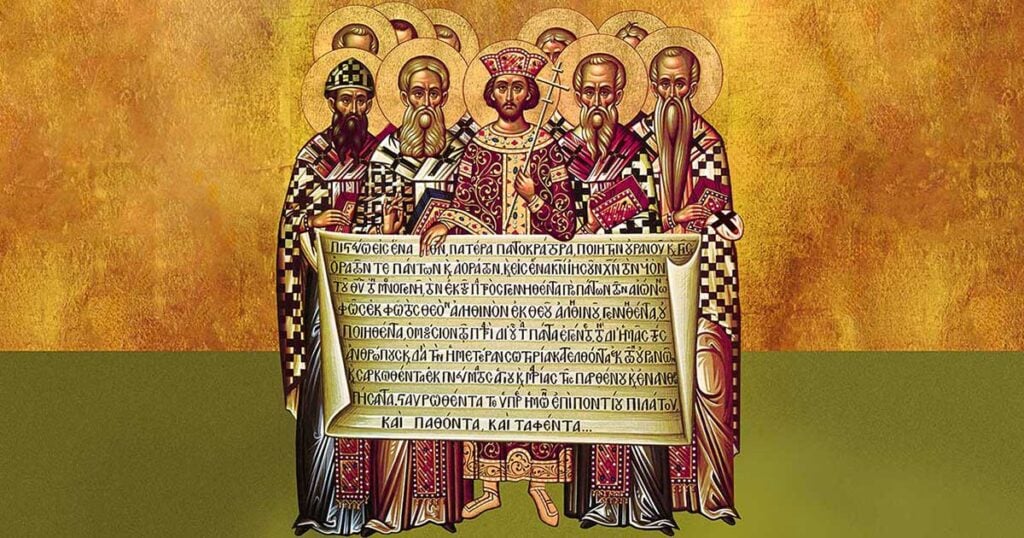
In his article "The Nicene Creed Today, Yesterday, and Tomorrow," Joseph D. Small explores the enduring significance of the Nicene Creed as the "rule of faith." He argues that its affirmations and denials remain essential for contemporary congregational life, providing a communal identity and a biblical core that can deepen the church's faith and mission…
 Theology
As members of the church, we are part of the Body of Christ––the Bride of Christ––and that defines who we are. We are not autonomous beings. We are destined to be fully united in a face-to-face one-flesh union with the living God and dwell with him forever.
 Church and Culture
Many of us have made an idol of romance and marriage between a man and a woman, and this idolatry is not just in society as a whole. It is in our congregations and denominations, too. Our view of marriage tends to be a “non-view,” an inability to see what romance and marriage is, or…
 Church and Culture
The Constitution of the PCUSA changed again this year. Most changes each year hardly register with most Presbyterians; this is true of the majority of changes again this year. Some changes, some years, have been quite controversial and even eventually reversed; that may happen with a change or two this year.
 Theology
The Law, by which we understand here the Ten Commandments, is indispensable to Reformed worship. For God’s covenant people, it constitutes the beginning and foundation of worship. We worship God because he has commanded us to worship him.
 Theology
The Book that men most need to study is the book of which they know little and understand less. That book is the Bible. The Bible, it is true, occupies a unique position among the books of the world.
 Church and Culture
This document, “Gender, Sex, and the Kingdom of God,” was drafted by and is reprinted with permission from the Standing Theological Committee of the ECO, A Covenant Order of Evangelical Presbyterians.
 Confessing the Faith
Forty years ago, in 1984‒85, I had the remarkable experience of spending a year at a Protestant seminary in East Berlin. Those were still the days of communism. The regime was no longer sending Christians to prison camps, but it had pushed them to the margins of society, hoping that someday the church would just…
 Discipleship
Studying theology can be hard––hard on us psychologically and spiritually, personally as well as interpersonally. We can find out more about ourselves than we ever wanted to know. Yet we can learn more about God than we could ever dream.
 Church and Culture
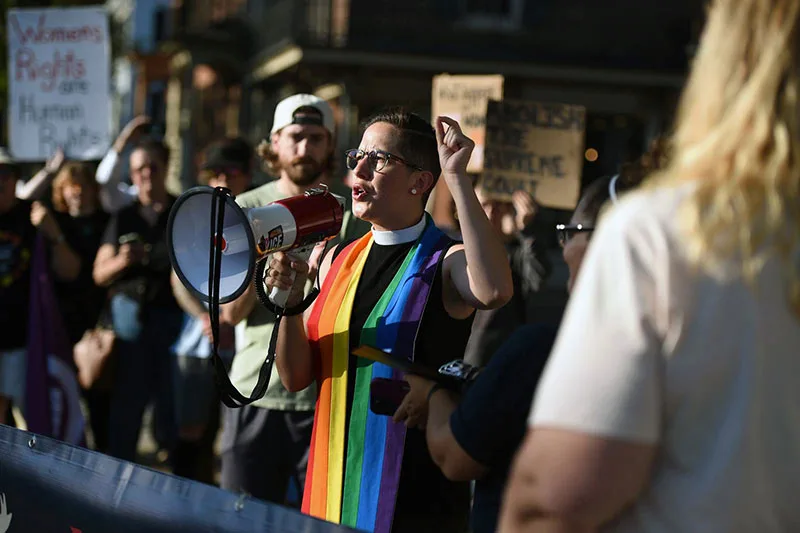
For centuries, Presbyterian Churches have believed and understood that the Christian liberty which Jesus Christ purchased for us by his undeserved but willing death on the cross includes the freedom of conscience. But now it is under attack.
 Church and Culture
The PC(USA) General Assembly has voted for a measure that is intended to severely limit the voice and influence of the theologically orthodox.
